
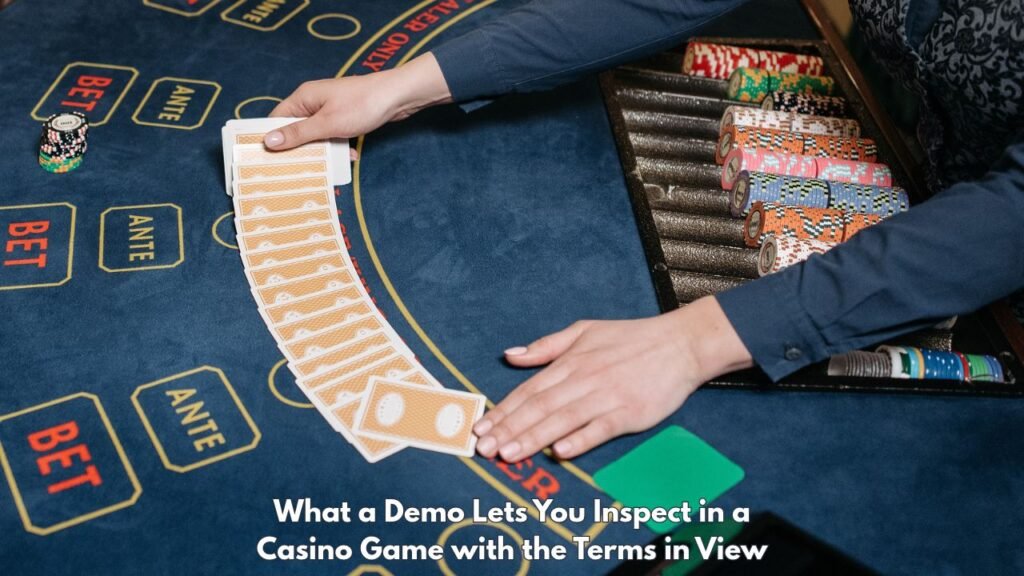
Look through a paper paytable beside a screenshot from the game for the version and the visible unit on screen. One part of the screen supplies the result and another can explain how it was reached. The material at https://1xbet-casino-slots-uk.com/ describes the casino’s game formats. Try this fictional example and see what information belongs beside the result. The image makes more sense once every relevant label has a clear purpose.
The version and the visible unit on screen
Make a paper-and-screen example a small design review. Ask whether a reader can point to the rules panel, understand when the round closes and replay the turn in the history. Those are meaningful features to compare in a recording. Leave the displayed outcome exactly as observed. One short sequence is too small to establish what typically happens.
Stop an imaginary recording at 28 seconds as the game still accepts selections. At 33 seconds the game closes that window. The outcome appears at 39 seconds. Label all three times and wait for a complete result before cutting the end of the clip. The period between the first two stops is 5 seconds in the example. The display takes another 6 seconds to reveal the outcome. A short caption should specify exactly which of those intervals it describes, especially if the replay is cropped around the announcement.
Inside the Information Layer of a Casino Round
Take a related scene in a paper-and-screen example apart into two small drawings. One drawing shows the game pieces and how they moved. The second labels the button and result area that carried the relevant information. If the game scene itself obscures a figure, leave a space for the completed value from the appropriate record. The pair of drawings has more detail than a gallery of promotional images.
Stop the illustrated sequence at the last unambiguous moment and find the version and the visible unit on screen. That detail should be legible without scrolling through a second unrelated view. If the label only appears after the event, put the earlier and later images on the same page. Then capture the state before and after the feature explanation. The result is a short test that would make sense to someone using a saved video or a quiet demonstration.
The Difference Between a Large Casino Lobby and a Useful One
In the follow-up view of a paper-and-screen example, a useful comparison might focus on two titles that look similar until one expands into a live video view. Include the way that state is signalled. A review of a catalogue needs room for those kinds of distinctions between the underlying games and the way the publisher arranges them.
Return to a paper-and-screen example once the events are fully visible. Keep the version and the visible unit on screen beside the picture and capture the state before and after the feature explanation. Then see where to find the title, game state and unit on a completed screen. A brief look at the printed definition of the result has a much clearer purpose now. The labels preserve the bits you need to understand the example after the screen has moved on.